Fulbe Inclusion Initiative
Breaking Barriers, Building Bridges: A Story of Integration and Peace
The Challenge
Between June and August 2021, USAID's Office of Transition Initiatives commissioned SAVEGhana to better understand the complex relationship between Fulbe and non-Fulbe ethnic groups in the Upper West Region of Ghana.
The research revealed longstanding prejudice and exclusion of the Fulbe from decision-making and community activities, as well as persistent land competition that contributed to increased conflict and generated destabilizing dynamics in the region.
Our Approach
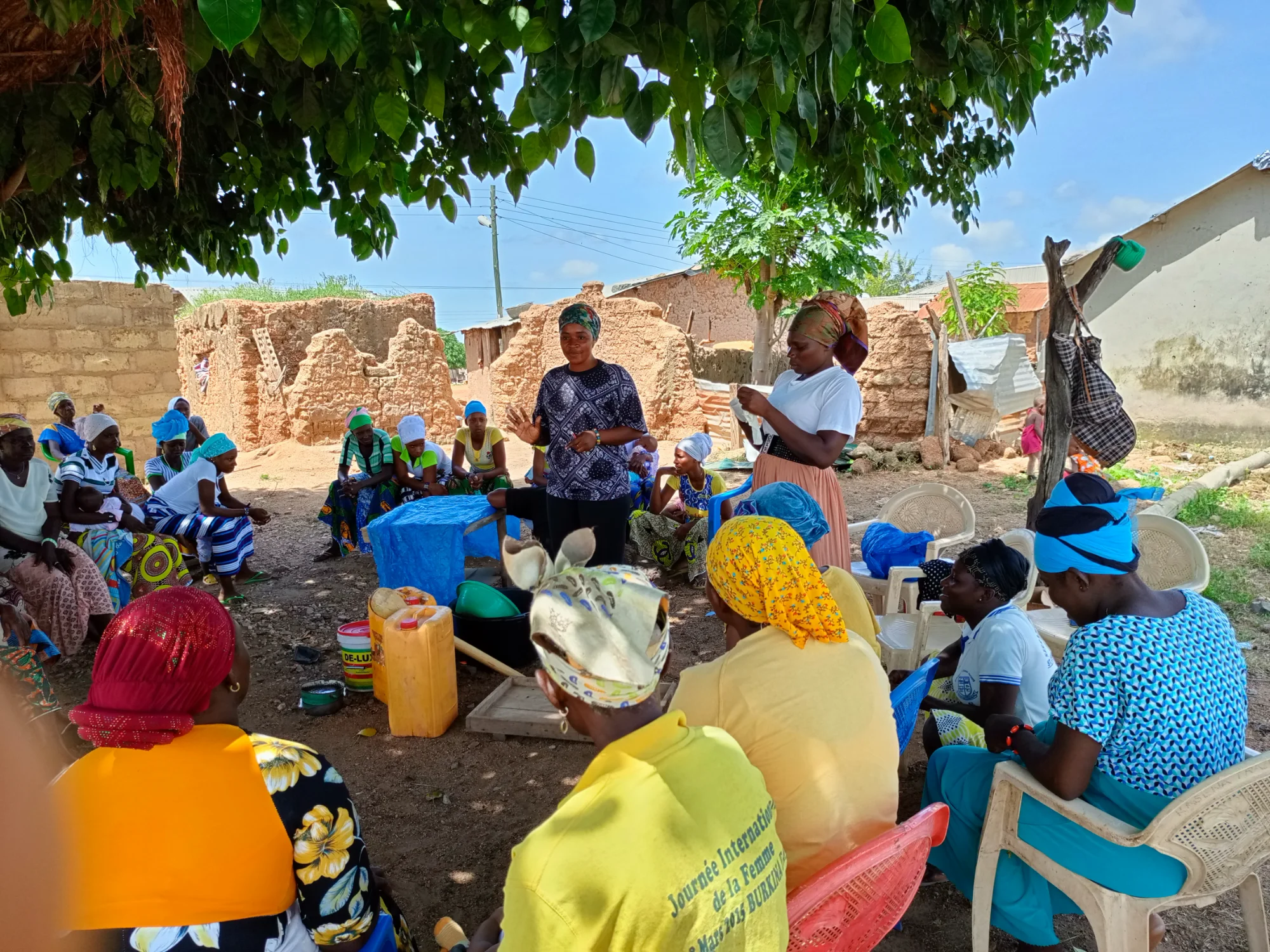
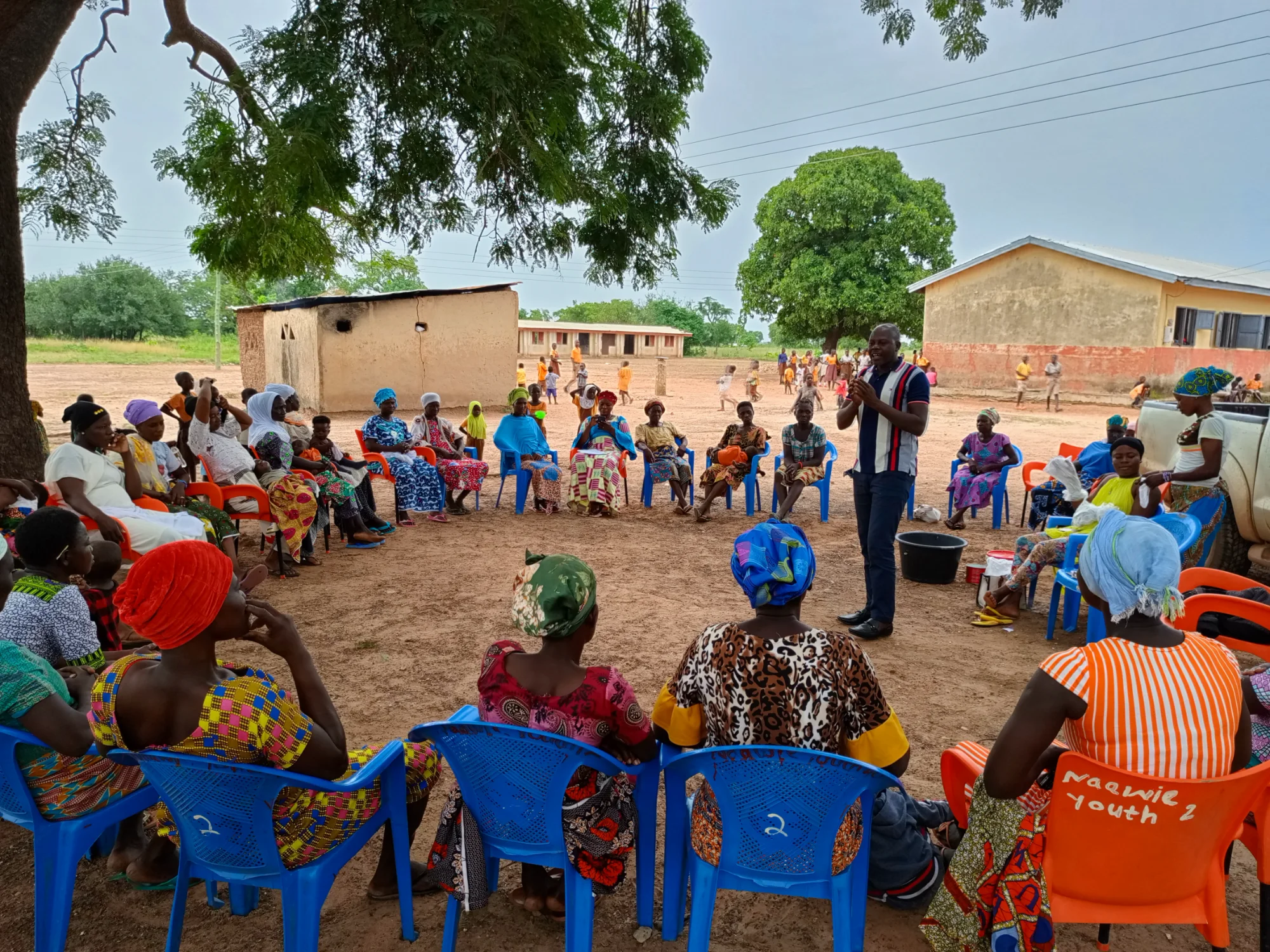
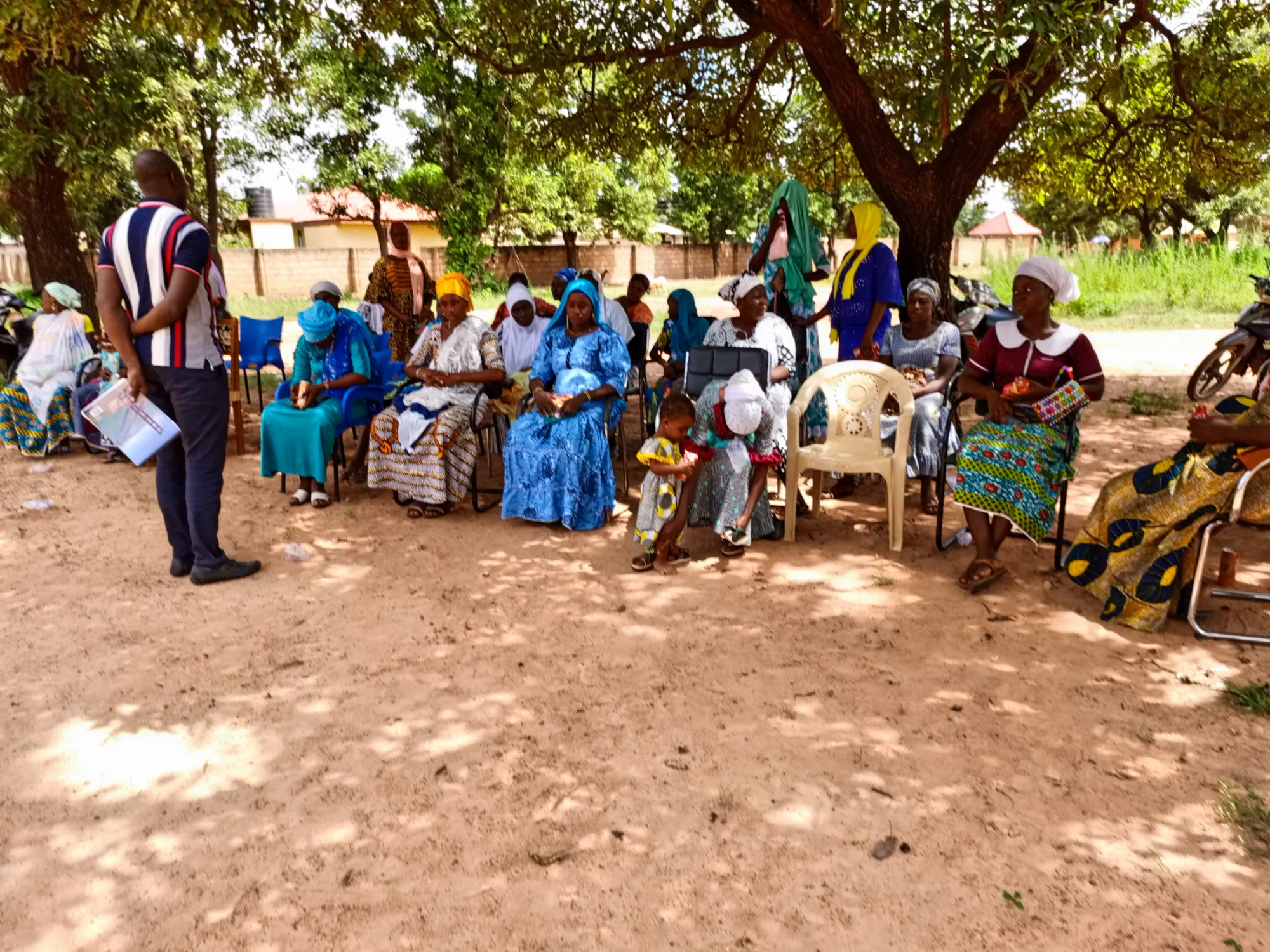
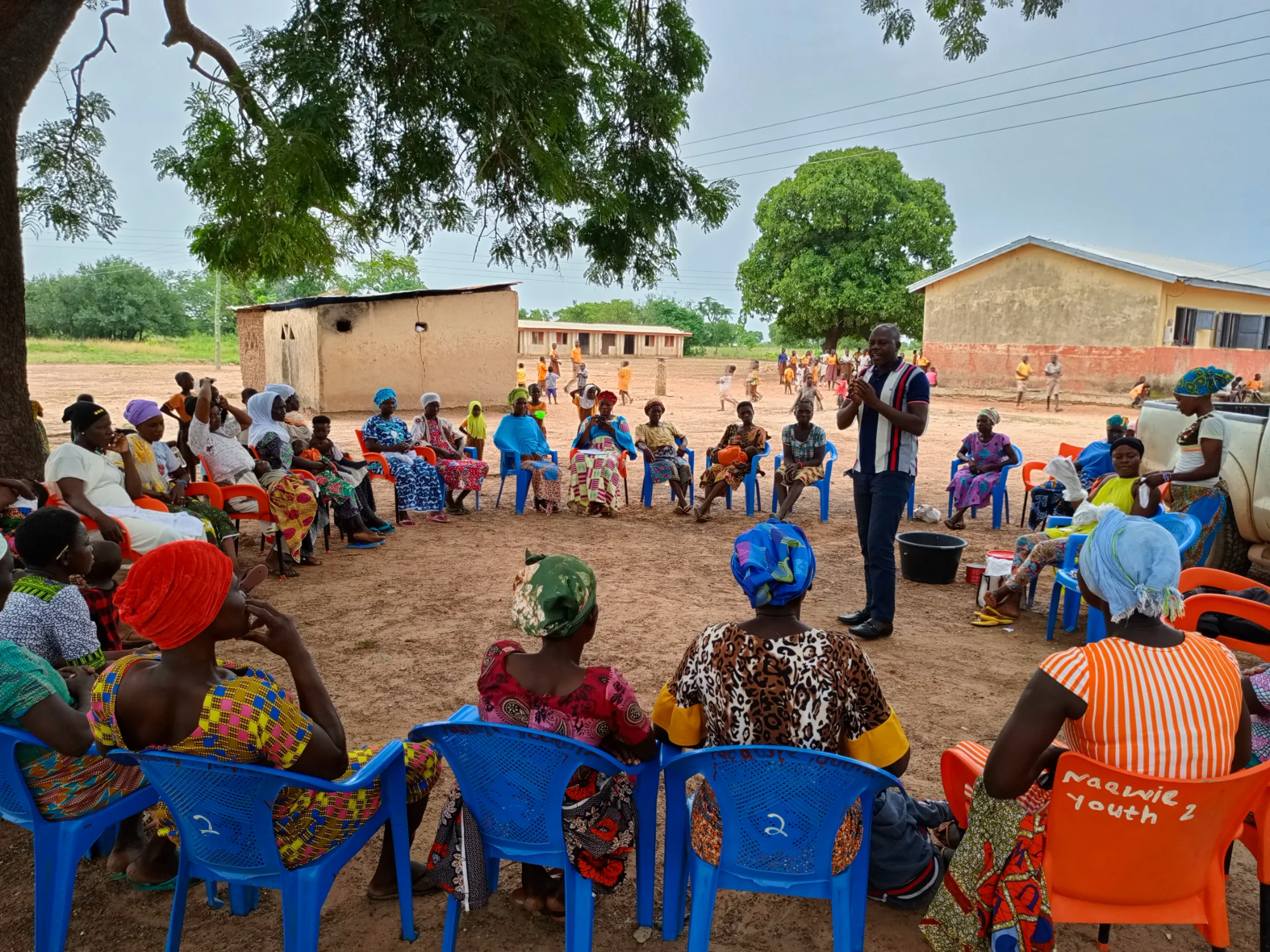
SAVEGhana organized a series of meetings and dialogues with District Assembly members, traditional leaders, and key community influencers to share research findings and recommendations. This collaborative approach focused on:
- Community dialogues and awareness campaigns
- Policy advocacy at district levels
- Establishment of mixed mediation committees
- Radio programs promoting understanding
- Integration of Fulbe in governance structures
Measurable Impact
of districts now use the respectful term "Fulbe" instead of "Fulani"
conflicts peacefully resolved by mediation committees
reduction in cattle rate taxes, increasing compliance and revenue
inclusion of Fulbe traditional leaders in community councils
Voices from the Community
"Fulbe is our name. Fulani is not. It is a name given to disrespect and stigmatize us. When you are called Fulani, it means you are worthless. We call ourselves Pul-lo for singular and Fulbe for plural."
"I advocated for reducing cattle rate taxes for the Fulbe, and I was heard; now we pay half ($1.62 per cattle head) of what we used to pay ($3.24 per cattle head)."
"Reduction in the cattle rate resulted in an increase in the revenue collected. The Fulbe now feel part of the community and are more willing to pay taxes."